

Decorative iron work has long been a staple in both indoor and outdoor settings, adding a touch of elegance, charm, and character. As a supplier of Decorative Outdoor Iron Work, I've had the privilege of witnessing firsthand the unique qualities and differences between indoor and outdoor decorative iron work. In this blog, I'll explore these differences in detail, highlighting the distinct features, considerations, and applications of each.
Material and Durability
One of the most significant differences between indoor and outdoor decorative iron work lies in the materials used and the level of durability required. Indoor iron work is typically made from lighter gauge metals, such as wrought iron or mild steel, which are more malleable and easier to work with. These materials are suitable for creating intricate designs and delicate details, making them ideal for indoor applications such as wall decor, furniture, and lighting fixtures.
On the other hand, outdoor iron work needs to withstand the elements, including rain, wind, sunlight, and temperature fluctuations. As a result, it is usually made from heavier gauge metals, such as cast iron or stainless steel, which are more resistant to corrosion and wear. These materials are also stronger and more durable, making them suitable for outdoor applications such as fences, gates, and garden furniture.
Design and Style
Another key difference between indoor and outdoor decorative iron work is the design and style. Indoor iron work often features more intricate and detailed designs, with a focus on aesthetics and ornamentation. These designs can range from traditional and classical to modern and contemporary, depending on the preferences of the customer.
Outdoor iron work, on the other hand, tends to have a more functional and practical design, with a focus on durability and strength. While it can still be decorative, the designs are often simpler and more straightforward, with less emphasis on intricate details. This is because outdoor iron work needs to be able to withstand the elements and the wear and tear of daily use.
Maintenance and Care
Indoor and outdoor decorative iron work also require different levels of maintenance and care. Indoor iron work is typically protected from the elements, so it requires less maintenance. However, it still needs to be cleaned regularly to prevent dust and dirt from accumulating on the surface. This can be done using a soft cloth and a mild cleaning solution.
Outdoor iron work, on the other hand, is exposed to the elements, so it requires more frequent maintenance. This includes regular cleaning to remove dirt, debris, and rust, as well as applying a protective coating to prevent corrosion. It is also important to inspect outdoor iron work regularly for signs of damage or wear, and to make any necessary repairs or replacements.
Applications
Indoor and outdoor decorative iron work have different applications, depending on the setting and the purpose. Indoor iron work is commonly used to enhance the interior design of a space, adding a touch of elegance and sophistication. It can be used to create focal points, such as wall art or chandeliers, or to add decorative accents to furniture and other accessories.
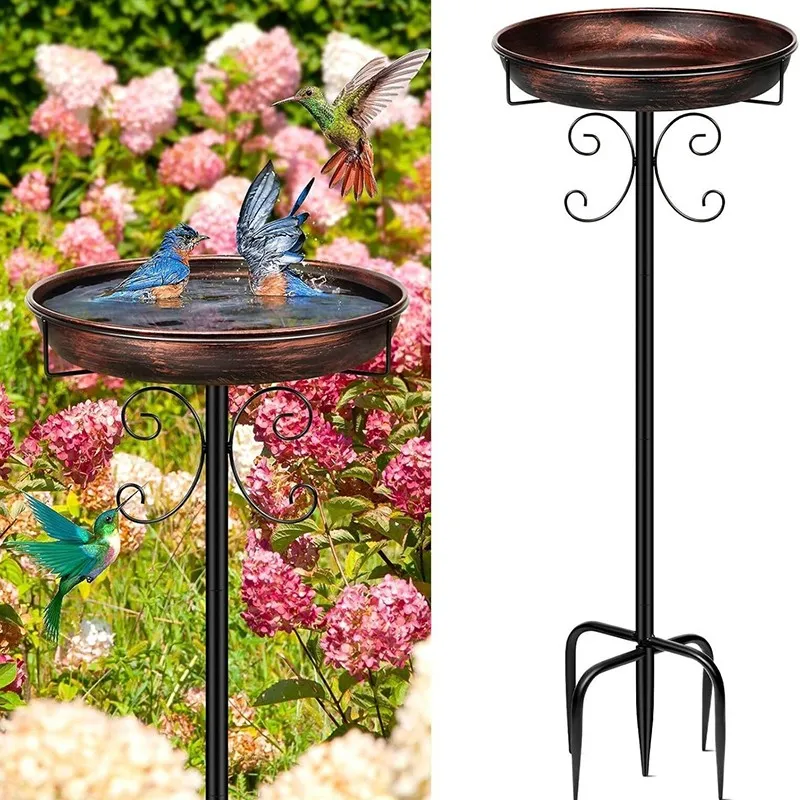
Outdoor iron work, on the other hand, is used to enhance the exterior of a property, providing both functional and decorative benefits. It can be used to create boundaries, such as fences and gates, or to add decorative elements to the garden, such as trellises, arbors, and statues. Outdoor iron work can also be used to enhance the security of a property, providing a barrier against intruders.
Examples of Indoor and Outdoor Decorative Iron Work
To illustrate the differences between indoor and outdoor decorative iron work, let's take a look at some examples of each.
Indoor Decorative Iron Work
- Wall Decor: Decorative Wrought Iron Wall Decor is a popular choice for adding a touch of elegance and charm to any room. These wall hangings can feature a variety of designs, from traditional and classical to modern and contemporary, and can be made from a variety of materials, including wrought iron, steel, and aluminum.
- Furniture: Decorative iron furniture, such as chairs, tables, and benches, can add a touch of sophistication and style to any indoor space. These pieces can be made from a variety of materials, including wrought iron, steel, and aluminum, and can feature a variety of designs, from traditional and classical to modern and contemporary.
- Lighting Fixtures: Decorative iron lighting fixtures, such as chandeliers, sconces, and pendant lights, can add a touch of elegance and charm to any room. These fixtures can be made from a variety of materials, including wrought iron, steel, and aluminum, and can feature a variety of designs, from traditional and classical to modern and contemporary.
Outdoor Decorative Iron Work
- Fences and Gates: Decorative Iron Garden Fence is a popular choice for adding a touch of elegance and charm to any outdoor space. These fences and gates can be made from a variety of materials, including wrought iron, steel, and aluminum, and can feature a variety of designs, from traditional and classical to modern and contemporary.
- Garden Furniture: Decorative iron garden furniture, such as chairs, tables, and benches, can add a touch of sophistication and style to any outdoor space. These pieces can be made from a variety of materials, including wrought iron, steel, and aluminum, and can feature a variety of designs, from traditional and classical to modern and contemporary.
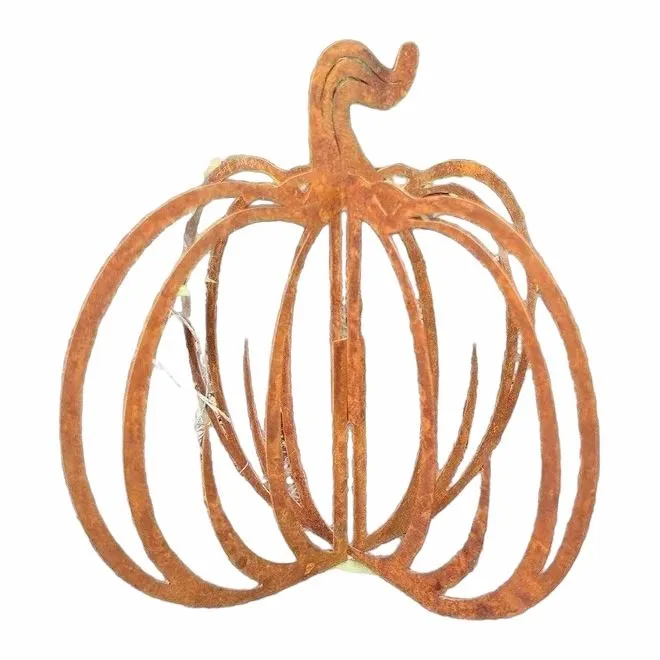
- Statues and Ornaments: Decorative Garden Ironwork is a popular choice for adding a touch of elegance and charm to any outdoor space. These statues and ornaments can be made from a variety of materials, including wrought iron, steel, and aluminum, and can feature a variety of designs, from traditional and classical to modern and contemporary.
Conclusion
In conclusion, there are several key differences between indoor and outdoor decorative iron work, including the materials used, the design and style, the maintenance and care required, and the applications. As a supplier of Decorative Outdoor Iron Work, I understand the importance of choosing the right materials and designs for each application, and I am committed to providing high-quality products that meet the needs and preferences of my customers.
If you are interested in learning more about our Decorative Outdoor Iron Work products or would like to discuss your specific needs and requirements, please feel free to contact us. We would be happy to provide you with more information and to help you choose the right products for your project.
References
- "Decorative Ironwork: A Guide to Design and Installation." By John Smith. Published by ABC Publishing, 2020.
- "Outdoor Decorative Ironwork: Creating a Beautiful and Functional Landscape." By Jane Doe. Published by XYZ Press, 2019.
- "Indoor Decorative Ironwork: Adding Style and Elegance to Your Home." By Tom Johnson. Published by DEF Books, 2018.